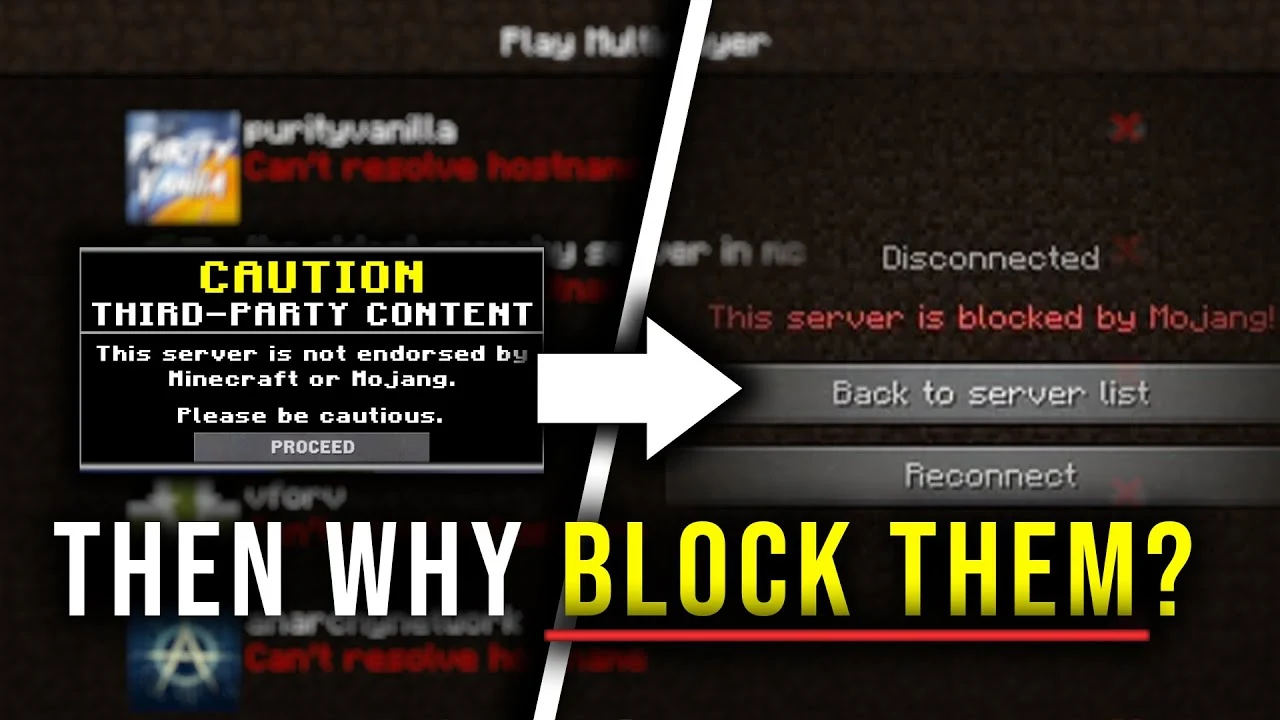
Minecraft’s private server ecosystem is under sustained pressure from Mojang. Since July 2026 over 1,280 community servers have been blacklisted in waves, with hundreds more hit in automated follow-ups. The most common trigger appears to be MOTD text flagged as mature or against usage guidelines.
On September 17 Mojang took the fight to 6b6t, a long-running anarchy server that refused to add rules after its initial blacklist in July. Microsoft filed a DMCA complaint against AnarchyMod, the tool that let players bypass the launcher blacklist and join anyway. GitHub complied and disabled the repo the same day.
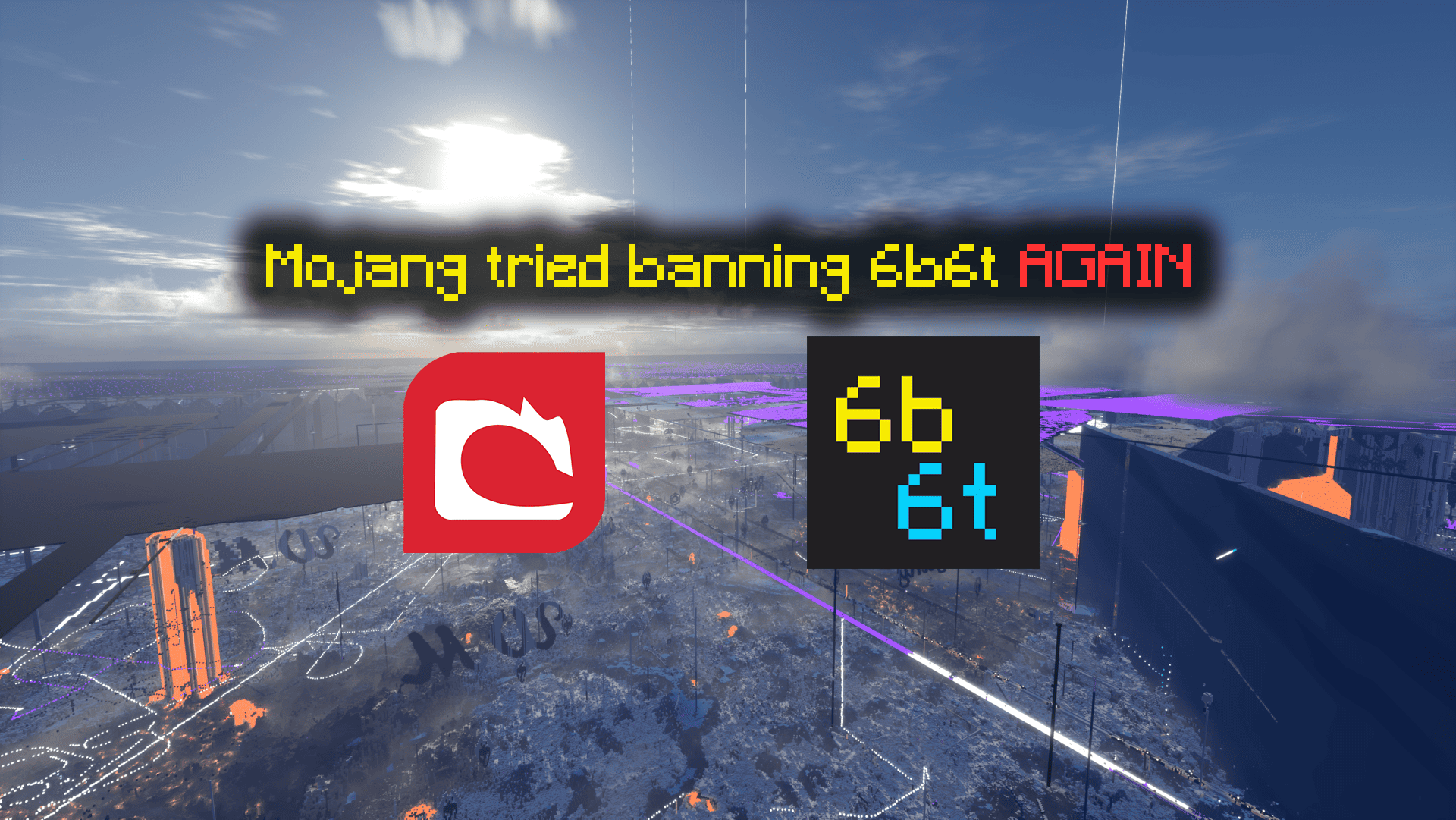
6b6t Strikes Back
The 6b6t team responded fast. They issued a DMCA counter-notice, moved hosting to infrastructure tied to a Minecraft-related lawsuit organizer, and restored downloads. As of their latest post the server remains online, the world is unchanged, and no rules have been added. Player counts reportedly climbed back over 250 shortly after the first blacklist and hit record highs during events.
The broader pattern includes policy shifts that started in October 2025. Servers now face pressure to enforce Mojang and Xbox community standards or risk being hidden from players. Critics argue this amounts to monitoring self-hosted servers and creates doxxing risks because blacklist data can expose IP addresses.

- July 2026 wave blacklisted at least 1,281 private servers
- Common reasons include MOTD content and lack of official moderation
- September 17 DMCA targeted AnarchyMod on GitHub for 6b6t bypass
- Server operators sent counter-notice and restored the mod same day
- 6b6t continues running the same world without adding rules
This is not abstract policy debate. For many players private servers are Minecraft. The launcher blacklist effectively removes servers from discovery for most users, especially on Bedrock and newer Java clients. 6b6t’s defiance shows some communities will not fold quietly.