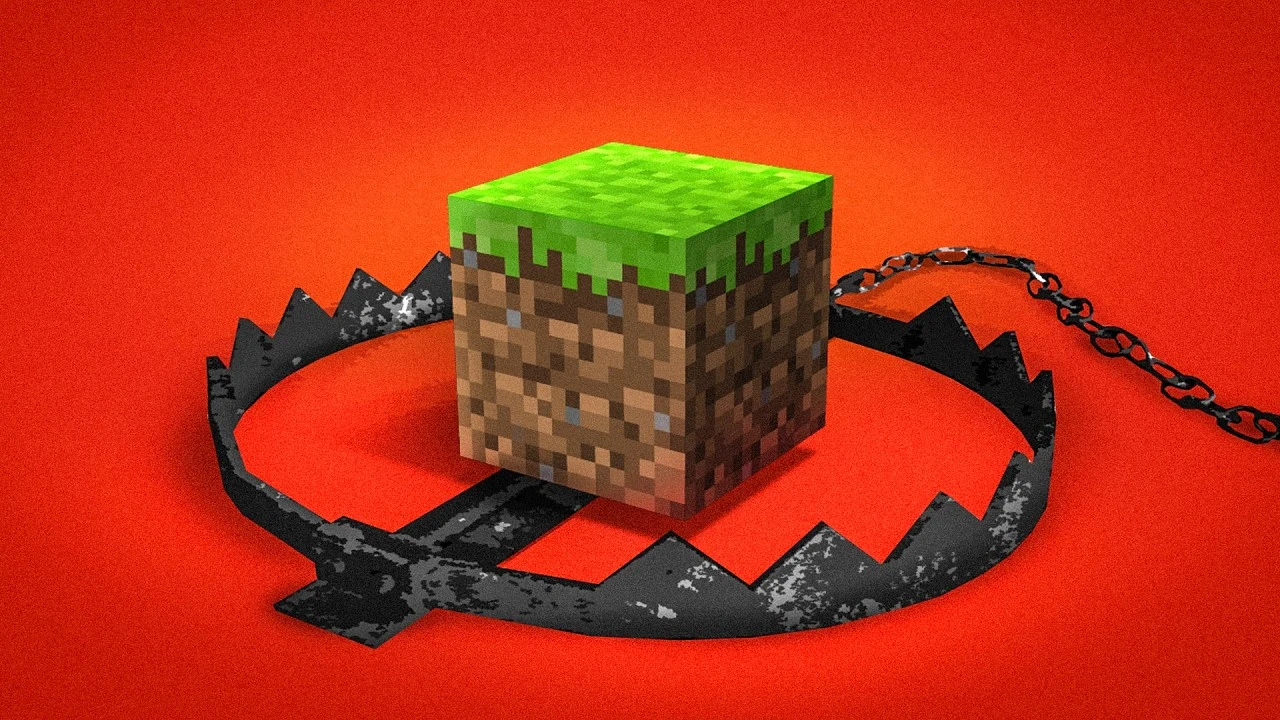
When RetroGamingNow checked his latest upload he found the exact email no creator wants: a copyright claim on the background music. The track came from a source explicitly labeled copyright free. Most people would sigh, dispute it, or just pay the cut. Instead he spent the video tracing the whole thing and showing how it was a deliberate setup.
How the trap actually worked
The composer released the music under a free license that encouraged YouTubers to use it without worry. Videos went up. Then claims started rolling in on those exact same tracks. The person behind the free release and the claimant were the same entity. It is a neat little self dealing loop that lets one account farm revenue from content that trusted their original promise.
RetroGamingNow walks through the timeline, the email, the license language, and the claim details. The video does not stop at complaining. It shows the mechanics so other creators can spot the same pattern before they get hit. That is why it is spreading fast inside the Minecraft corner of YouTube where custom music and sound design are common.
Why this lands harder right now
Minecraft content lives and dies on background tracks, sound design, and avoiding strikes. Channels grinding out mystery, lore, and survival series cannot afford surprise revenue drains. A video exposing the exact scam with receipts therefore travels fast. At 160k views and climbing it is already forcing conversations in creator Discords about double checking every asset source.
- Track released as copyright free by composer Ember
- Used in good faith by multiple creators including RetroGamingNow
- Same party files monetization claims after videos gain traction
- Zero recourse for the video maker once the claim processes
- Exposé shows the self dealing loop with timestamps and links
This is not some grand conspiracy. It is a small operator exploiting the lax verification on music upload platforms. The video ends on a practical note: verify licenses directly with the source, keep records, and do not assume any free asset is truly safe. That advice alone makes the piece worth the watch for anyone running a Minecraft channel.
I had literally zero power in this.
That line from the video captures the helplessness most creators feel when these claims drop. RetroGamingNow turned that frustration into a public breakdown that actually informs the scene instead of just venting. In a space full of recycled drama this one has clear stakes for how people make content going forward.
Youtube