A new video lays out how grooming, exploitation of minors, and criminal schemes on unchecked servers pushed Egypt, Turkey, and China to restrict or outright ban the game. The beloved block game now sits on national security watchlists.
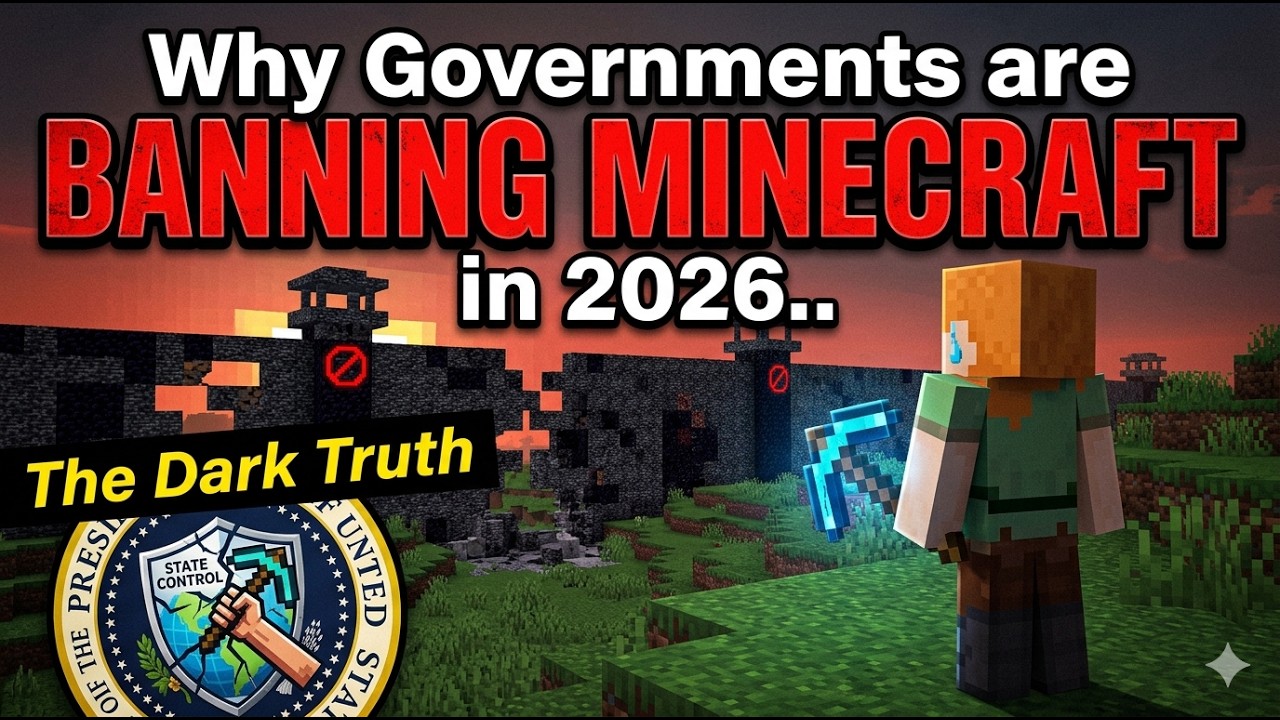
The latest video breaking down the Why Governments are BANNING Minecraft in 2026 pulls together reports from Egypt, Turkey, and China taking direct action against the game this year. It is not about the blocky graphics or endless creativity. It is about what happens when thousands of private servers operate with little to no oversight.
The Real Risks No One Wanted To Discuss
Private servers remain the heart of Minecraft multiplayer for millions. That freedom also creates wide open doors. The video walks through documented cases of adults using custom worlds, in game chat, and apparent safe communities to build trust with children before exploitation. Features that make the game engaging for legitimate groups become tools for predators when moderation is an afterthought or entirely absent.
The video also flags criminal angles beyond grooming. Some servers allegedly became venues for money laundering and crypto trading schemes that drew law enforcement scrutiny. Combine vulnerable young players with untraceable in game economies and you get exactly the mess now playing out in policy decisions across multiple countries.
Multiplayer Scene Reality Check
Not every private server is a nightmare. Plenty of well run communities exist with solid staff and clear rules. The problem is scale. The average player, especially younger ones, cannot easily tell the difference until it is too late. Server lists and discovery tools rarely surface moderation quality in any reliable way.
Bans are a blunt instrument and likely to be bypassed by VPNs and cracked clients. They signal that the current model is broken enough to warrant state intervention. The Minecraft multiplayer sphere has spent years celebrating its wild west freedom. This is the predictable hangover.
Parents watching this should treat every unknown server as a potential risk. Established large networks with transparent rules and track records are safer bets than random ones promising free ranks or exclusive vibes. The video does not call for killing the game. It calls out the parts everyone in the scene has quietly accepted for too long.
Other