The short version: On September 30, 2026, the EU’s Consumer Protection Cooperation (CPC) Network announced coordinated action against nine game companies, Mojang among them, over in-game virtual currencies. Regulators want players to see the real-money price of what they buy, not be pushed into buying more currency than they need, and be able to withdraw within 14 days, including for unused currency. This is not a fine or a ruling. Companies can respond and change their practices first.
- 9Companies named, including Mojang
- 27EU member states’ consumer authorities involved
- 14 daysWithdrawal right regulators want honoured, including for unused currency
Who’s involved
The companies named were Crytek, InnoGames, King, Mojang, Plarium, PLR Worldwide Sales, Riot Games, Supercell and Ubisoft. The games flagged for closer study include Minecraft, Candy Crush Saga, Clash of Clans and Valorant. Authorities are separately looking at Activision Blizzard’s mobile games.
What regulators want
The action enforces the CPC Network’s Key Principles on in-game virtual currencies, first published in March 2025:
- Show real prices. Players should see the real-world cost of virtual currency and of items bought with it.
- No forced overbuying. Currency bundles shouldn’t push players into buying more than they need to get what they want.
- Clear information before purchase and fair terms and conditions.
- Withdrawal rights: the 14-day right to withdraw from a contract should cover unused virtual currency.
- Extra care for children, who make many in-app purchases.
What it means for Minecraft
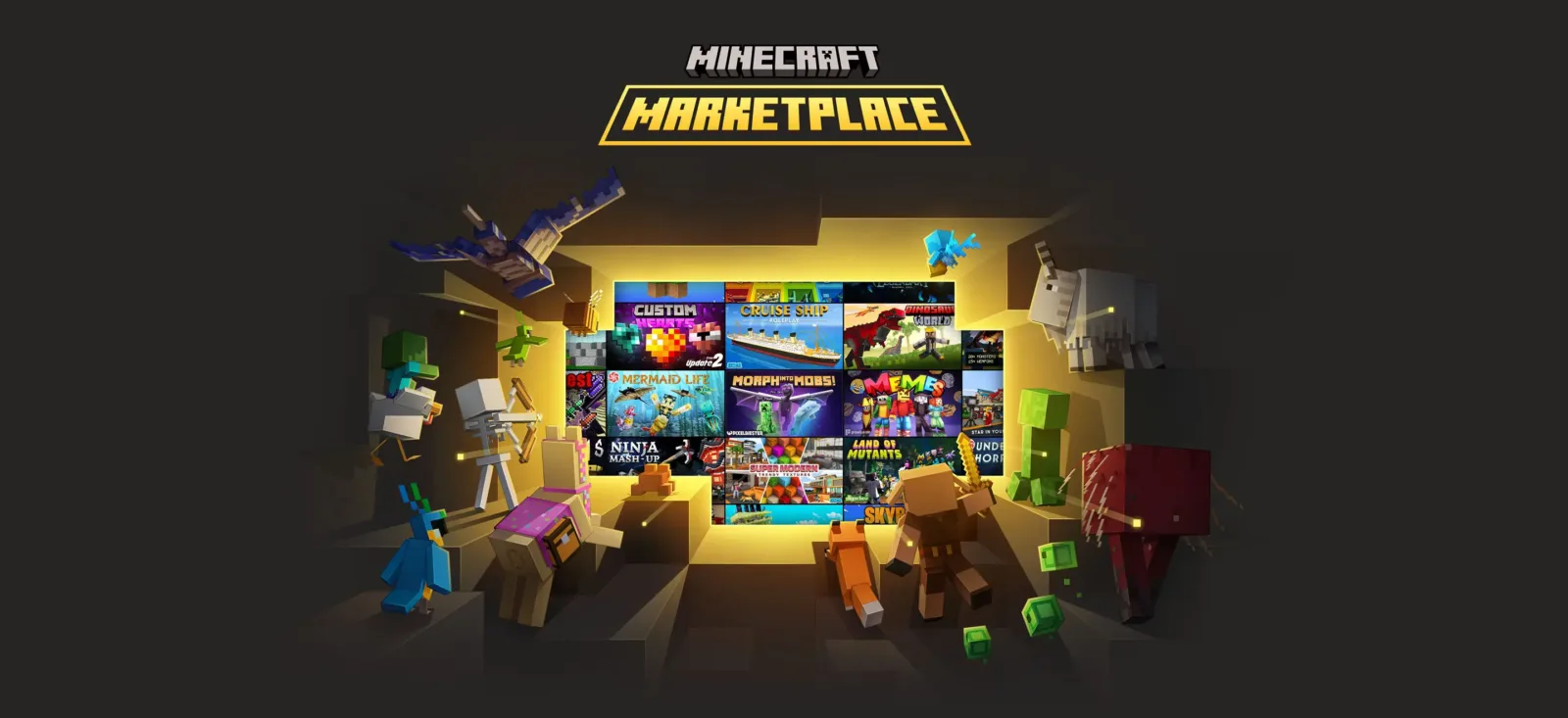
Minecoins are sold in fixed bundles, and Marketplace items are priced in coins rather than euros, which is exactly the kind of setup the principles target. The process usually goes like this: authorities request pricing and purchase-flow data, companies respond or adjust voluntarily, and enforcement by national authorities is the last resort. Players in the EU could eventually see real-money prices next to Marketplace items or more flexible coin amounts. Nothing has changed yet.
It’s another change for Minecoins in 2026, after Mojang split Nintendo Minecoins from other platforms. Java players mostly sit outside all this, because the Marketplace is a Bedrock store.